
Current Expedition — April 2026
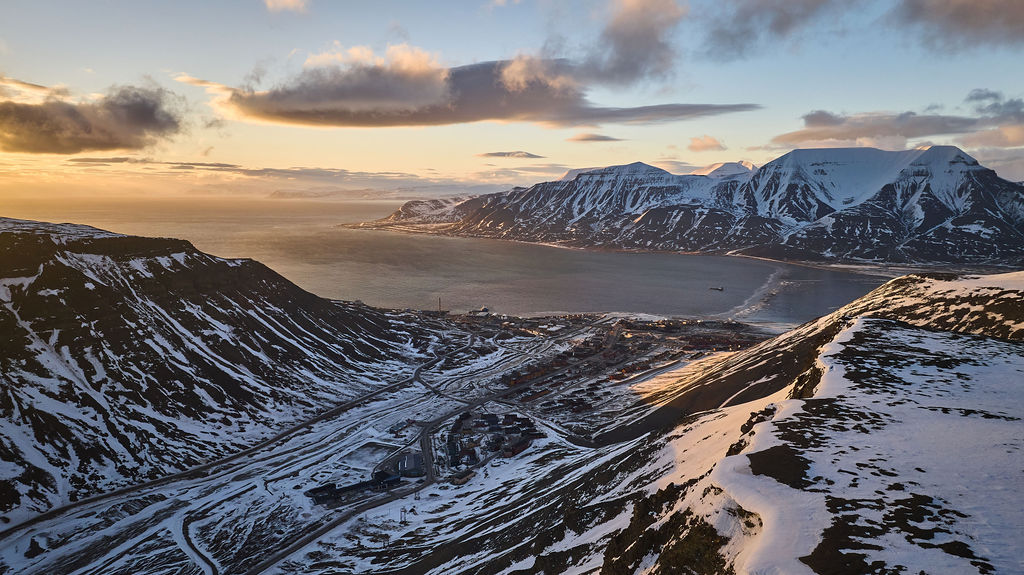
Svalbard Expedition
Xtreme Research: Women's Health in Extreme Polar Environments
Conducted in collaboration with NYU Langone Health, the University of Arizona, and the Space Prize Foundation, this expedition will contribute to the first-ever study examining how extreme polar environments affect women's health — specifically reproductive, sleep, and circadian rhythms. Led by polar explorer Inge Solheim.
8
DAYS
78°N
Latitude
3
1st
The Science
Xtreme Research
The research, titled eXtreme Environment and Reproductive Sleep and Circadian Health, aims to explore how cold temperatures, isolation, and disrupted light-dark cycles - conditions that mirror those found in space - affect women's hormonal balance, menstrual cycles, sleep patterns, and overall physiological adaptation.
Despite growing interest in space and polar science, there have been almost no studies on how extreme environmental conditions affect women's reproductive and circadian health. Previous research has largely focused on men.
01
Baseline Testing
At the University of Arizona's sleep and circadian laboratory in Tucson, simulating International Space Station conditions.
02
Field Data Collection
In Svalbard during the expedition using portable sleep-monitoring, WHOOP devices, and salivary hormone testing.
03
Post-Travel Assessment
Analyzing recovery and physiological recalibration after returning from the Arctic.

The Participants
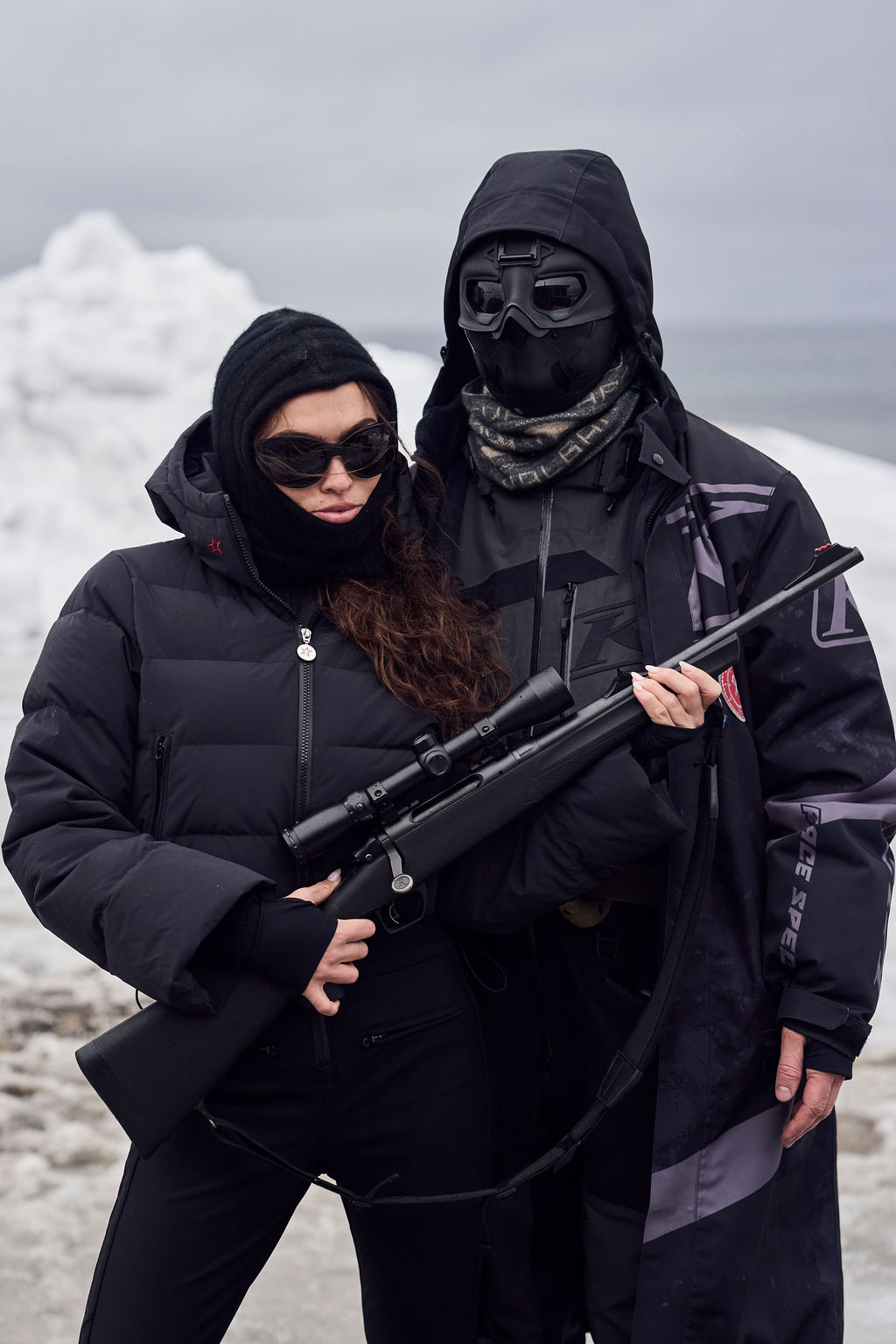
The Nader Sisters
Louisiana-born and New York-based, the Nader Sisters have become one of fashion and pop culture's most dynamic families. Beyond fashion and media, each sister brings a personal commitment to advocacy and social impact to this expedition.
Their participation extends their ongoing commitment to women's empowerment and health advocacy - from supporting survivors of domestic violence to mentoring young women through The Fresh Air Fund and the Young Women's Giving Circle.
Brooks
Nutrition & Food Security
Mary Holland
Financial Literacy for Women
Grace Ann
Women's Health Advocacy
Sarah Jane
LGBTQ+ Advocacy
The Mission
Goal of the Expedition
The Svalbard expedition is designed to generate the first comprehensive dataset on how women's bodies adapt to extreme polar conditions, with direct implications for both Earth-based medicine and the future of human space exploration.
01
Close the gender data gap
Produce the first dedicated study of women's reproductive, sleep, and circadian health under extreme environmental exposure, creating a foundational dataset where none currently exists.
02
Build a space-analog research model
Validate Svalbard's 24-hour daylight, sub-zero temperatures, and isolation as a reliable analog for space conditions, establishing a repeatable protocol for future missions.
03
Inform space medicine and policy
Deliver peer-reviewed findings on women's physiological resilience that can directly inform long-duration spaceflight planning, crew health protocols, and reproductive health guidelines for future missions.
04
Inspire and advocate
Demonstrate what women's bodies are capable of at the extremes, contributing to a broader cultural conversation around women's health visibility, empowerment, and participation in frontier science.
Expedition
Timeline
April 2026
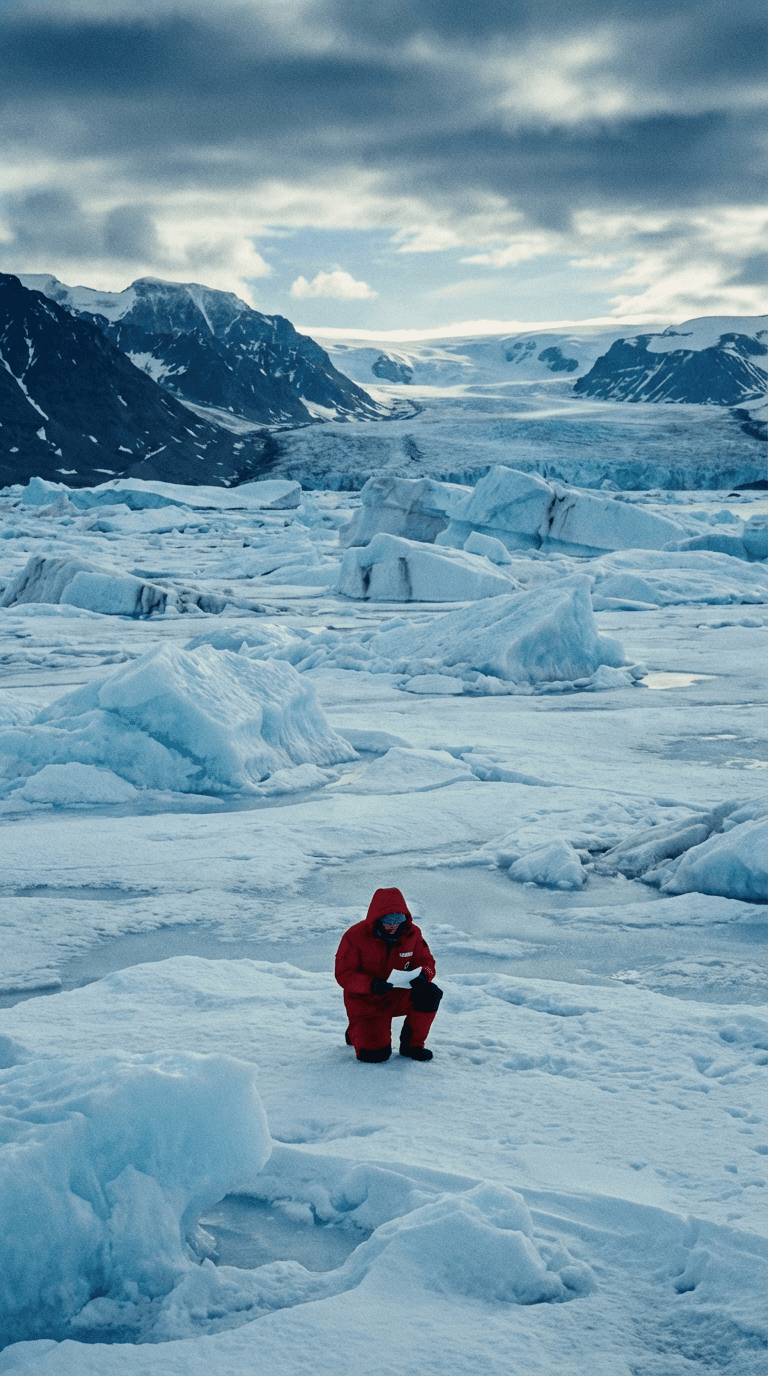
Svalbard Expedition
First-ever study on how polar extremes impact women's reproductive and sleep health, partnered with NYU, UofA, and Space Prize.


Featured Interview
[Subheading placeholder — interview topic / angle]
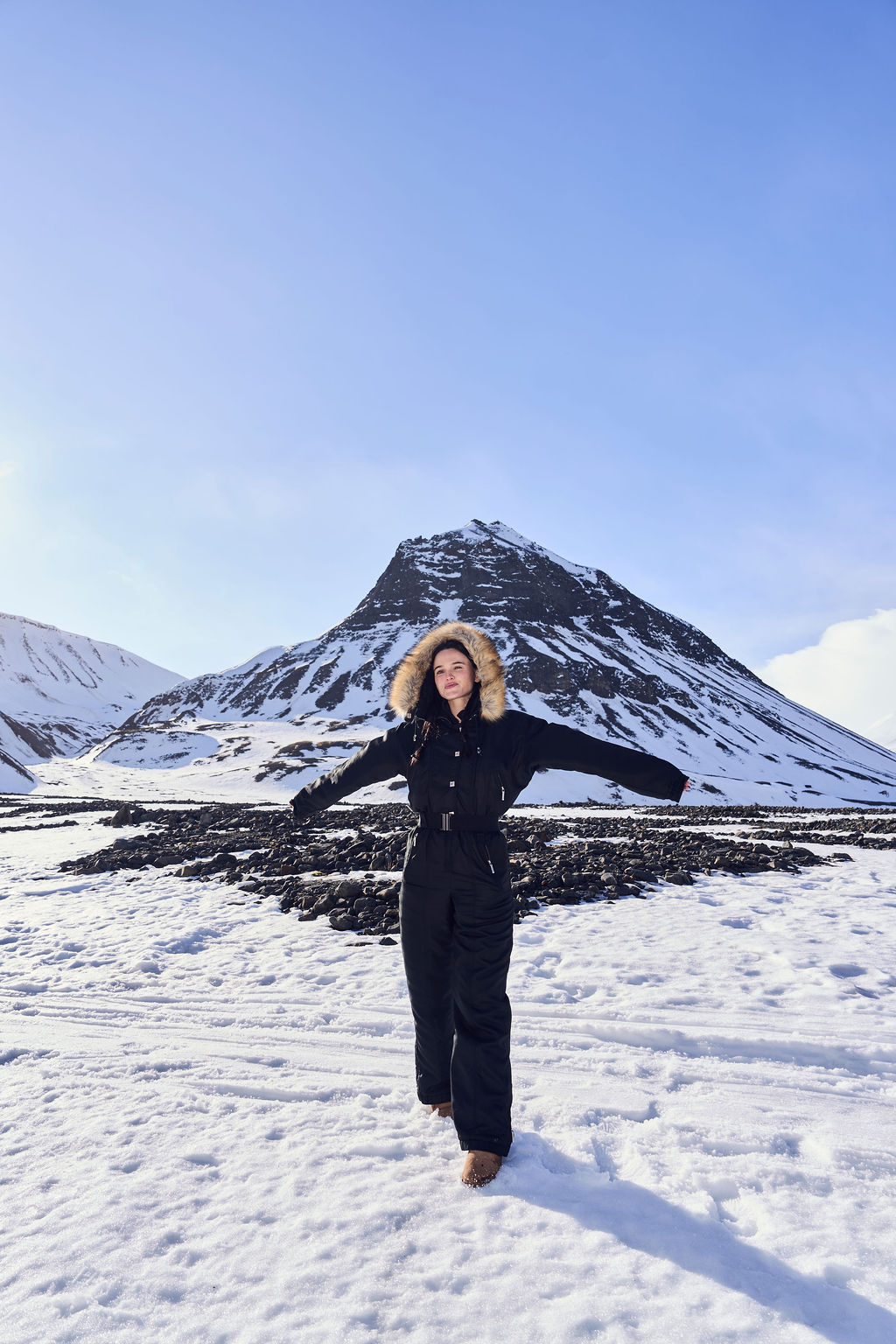
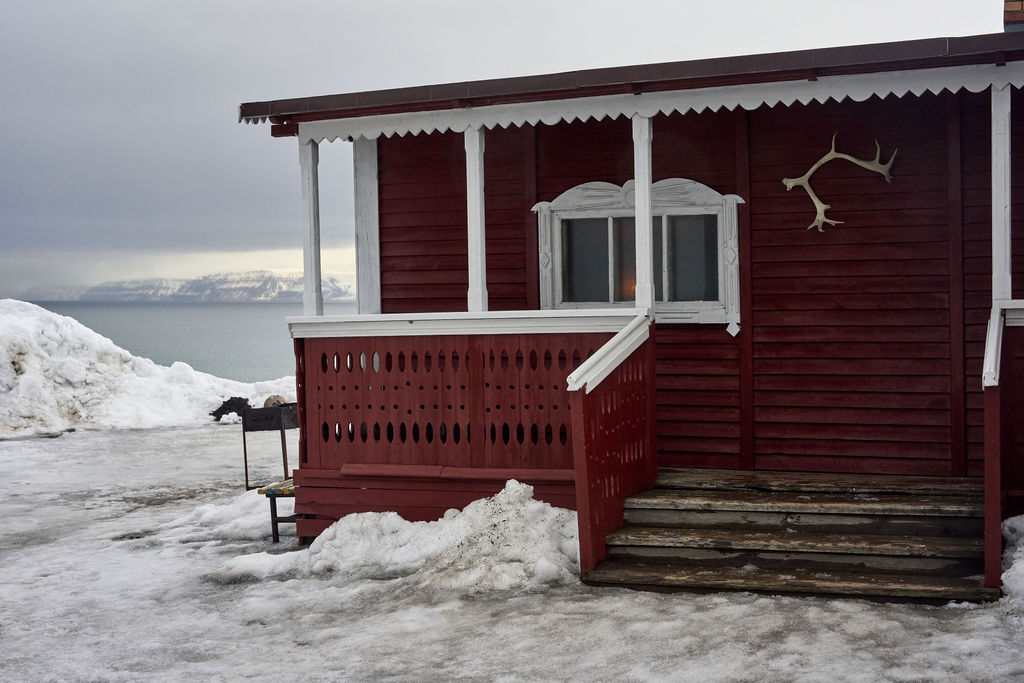
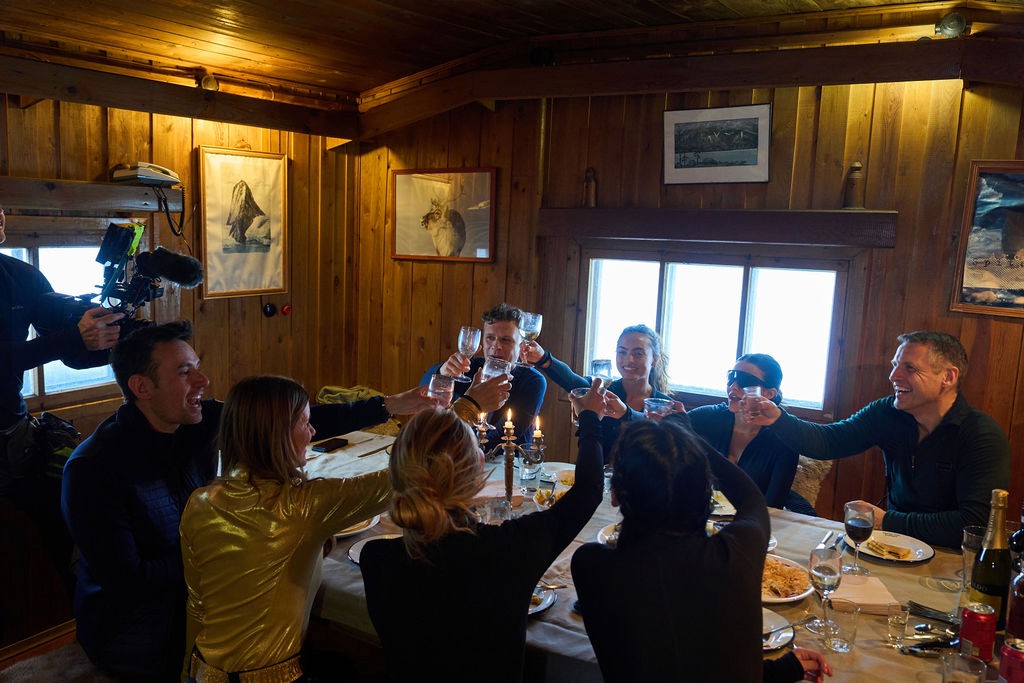
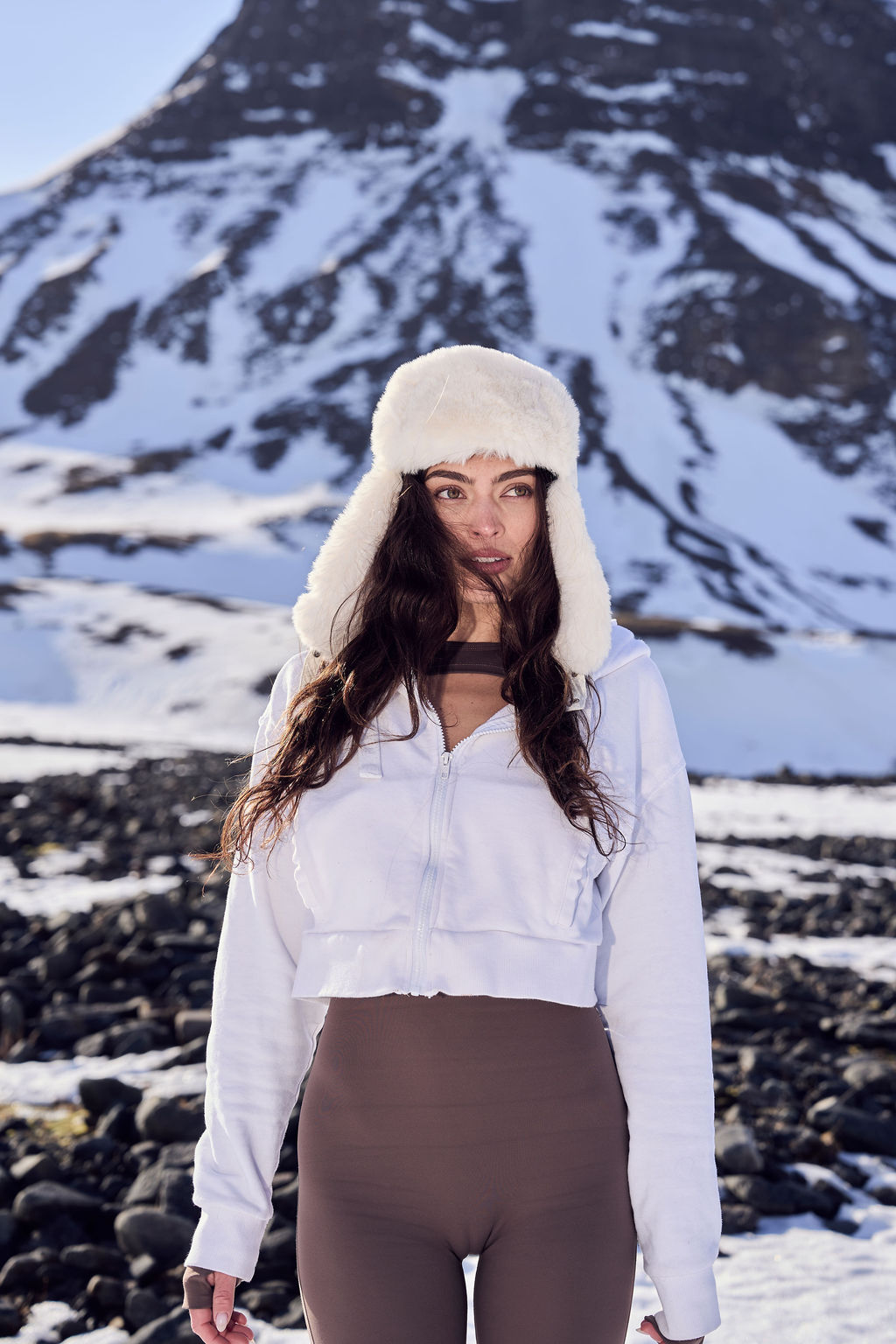
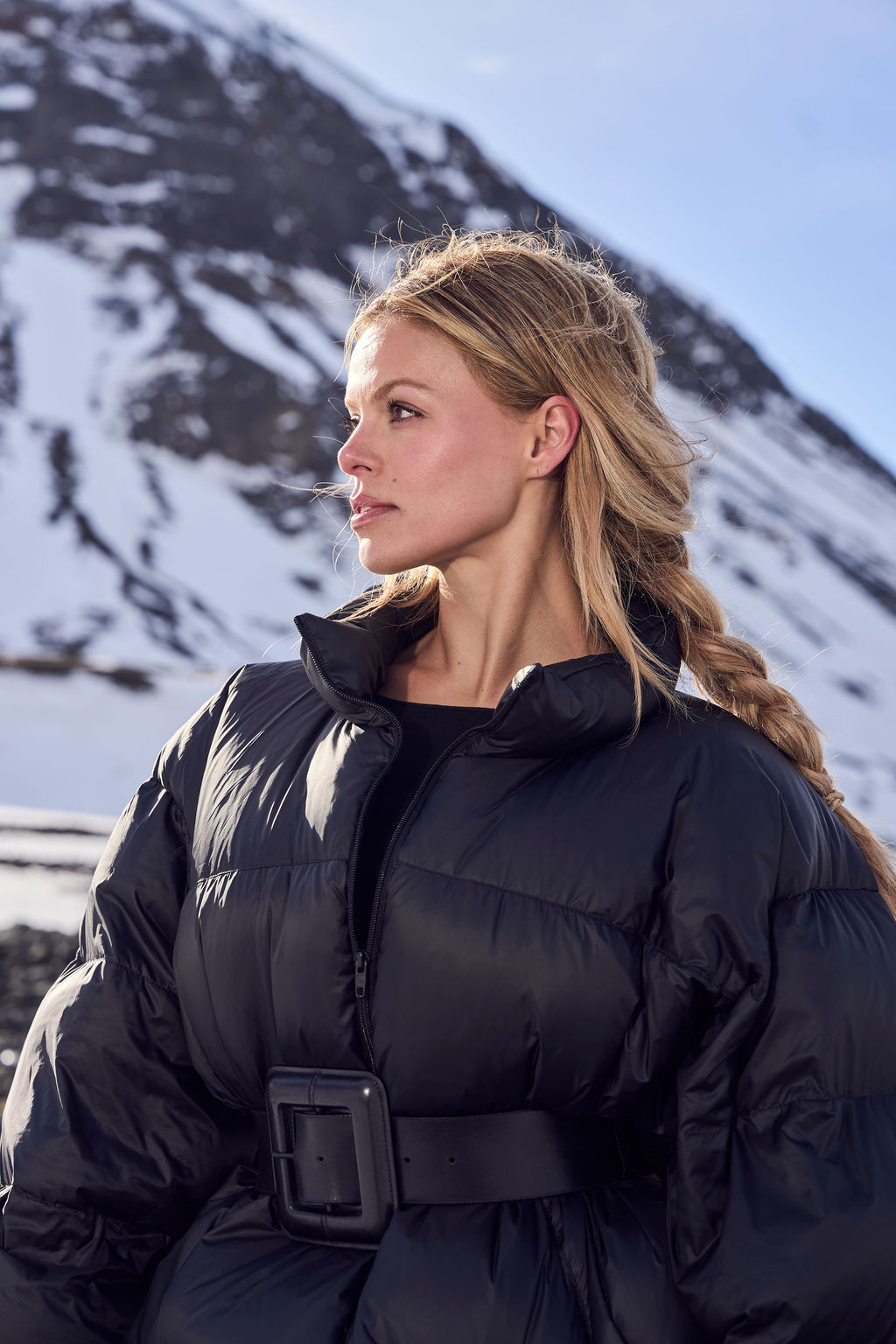
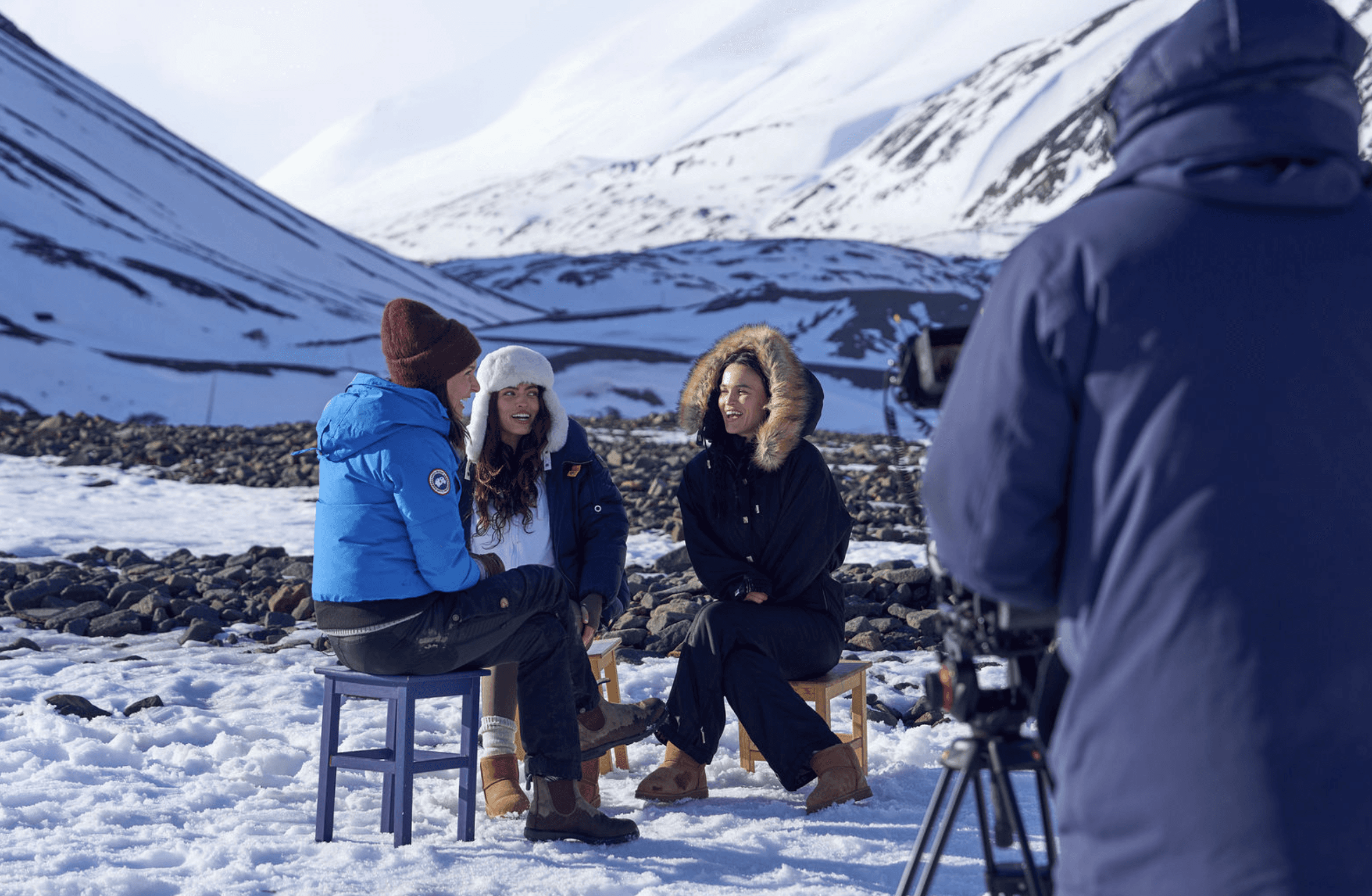
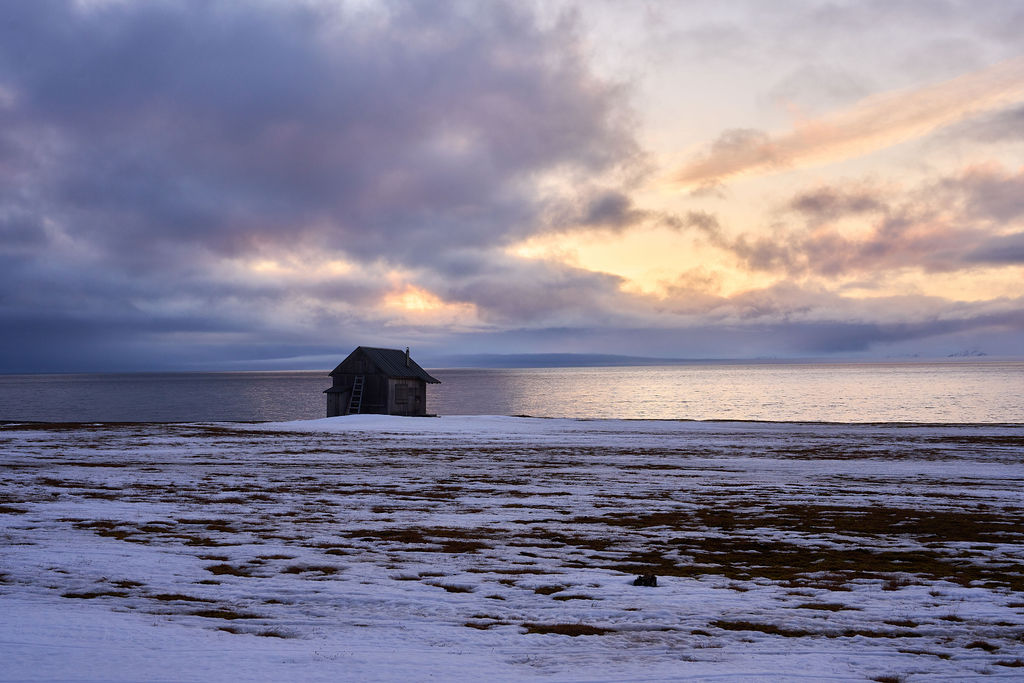
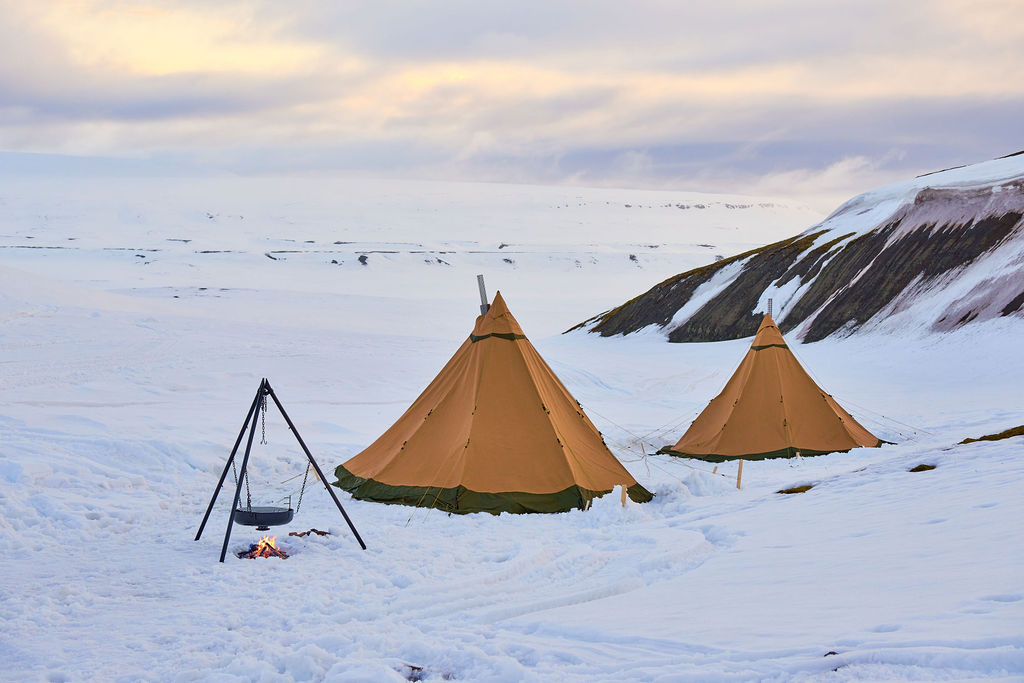
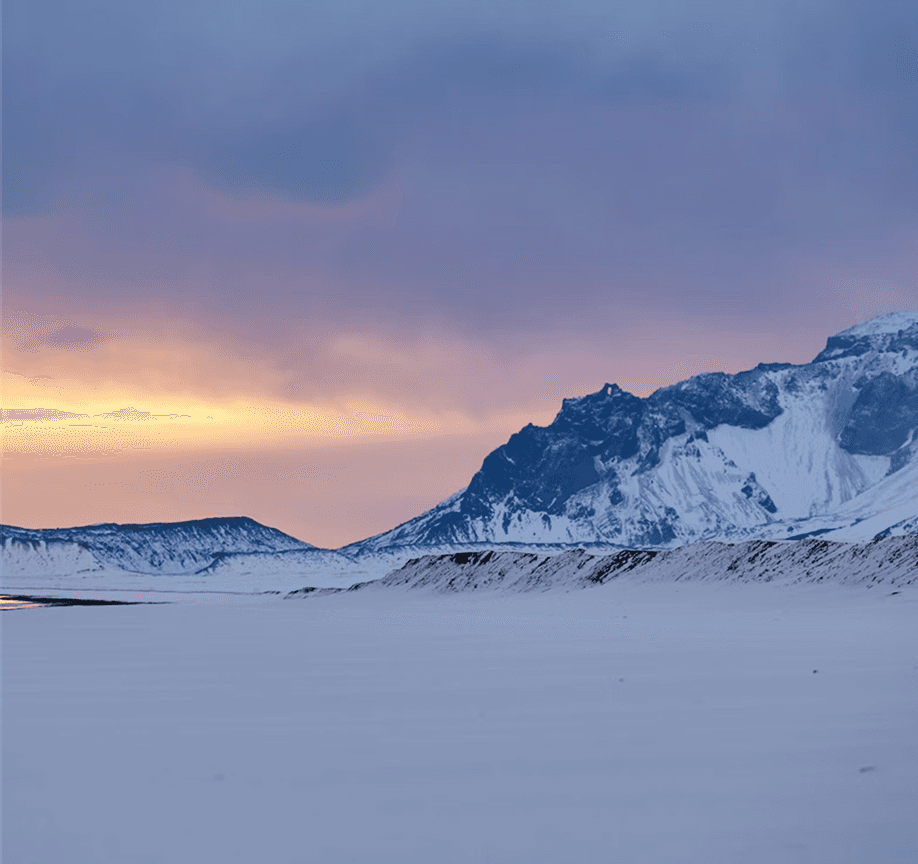
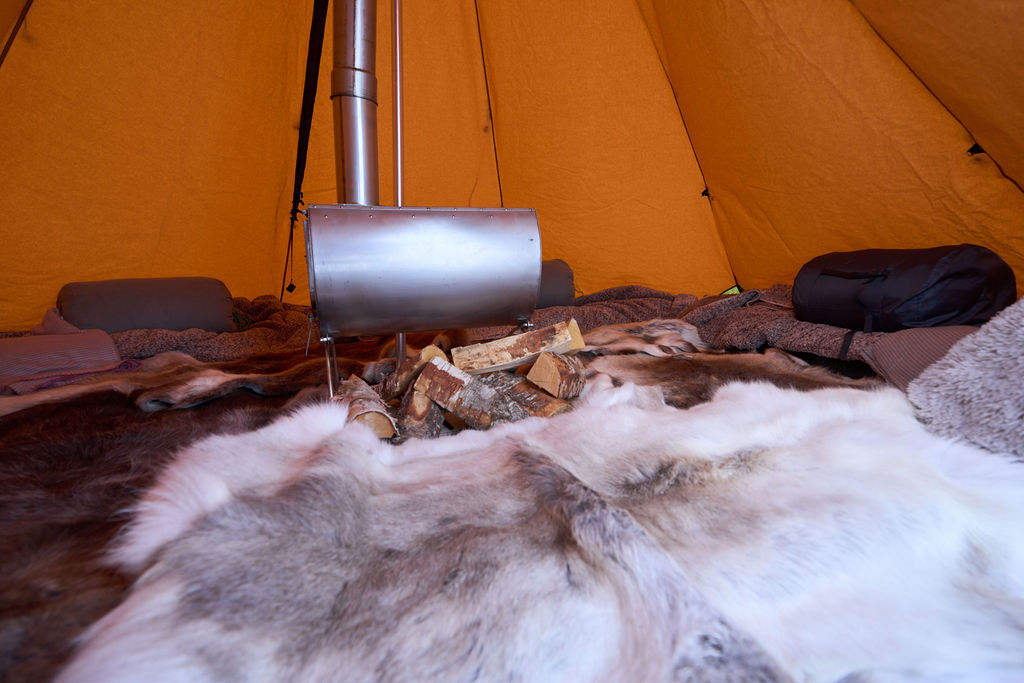
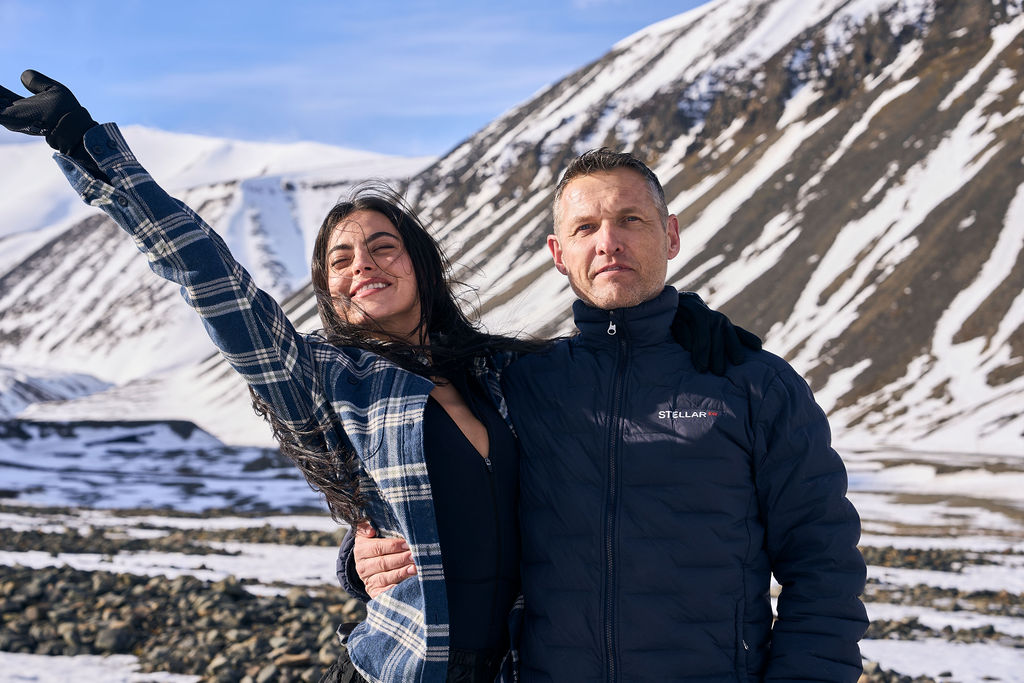
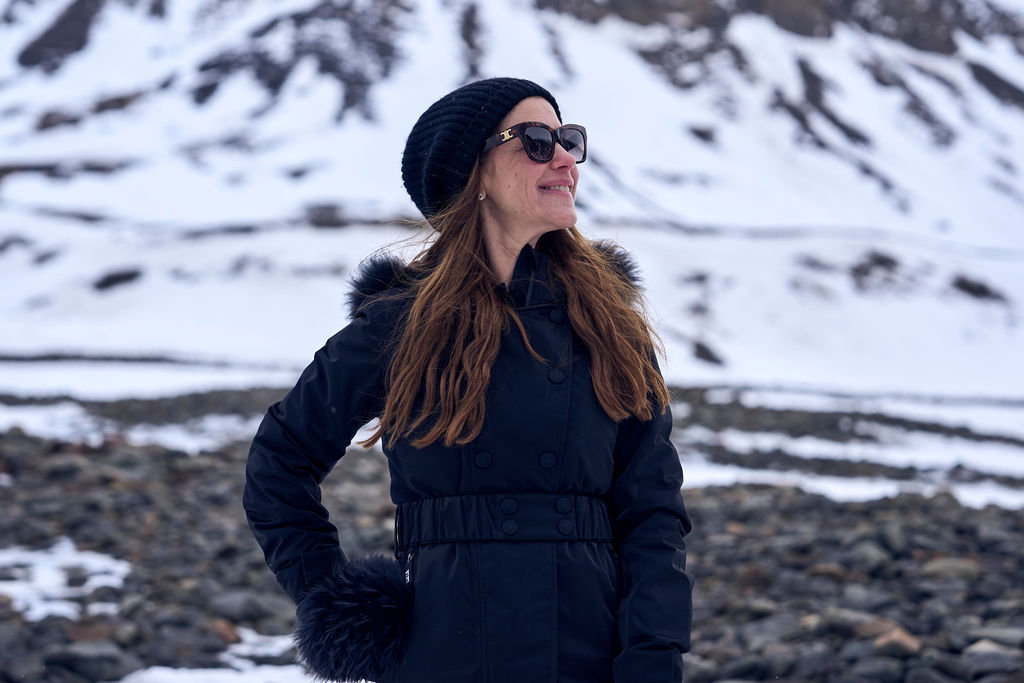
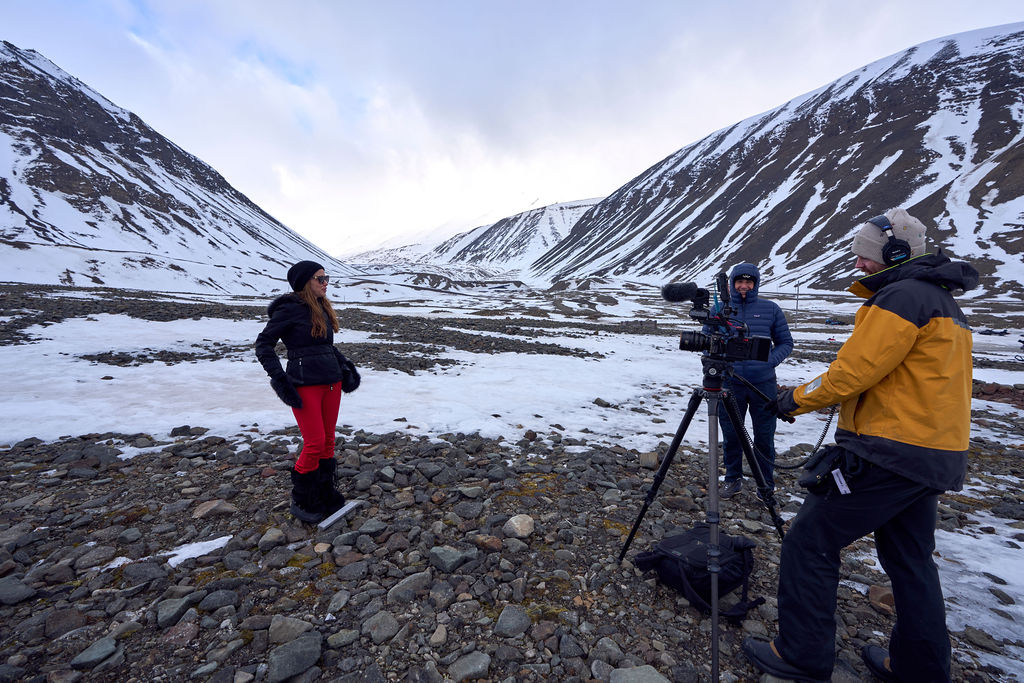
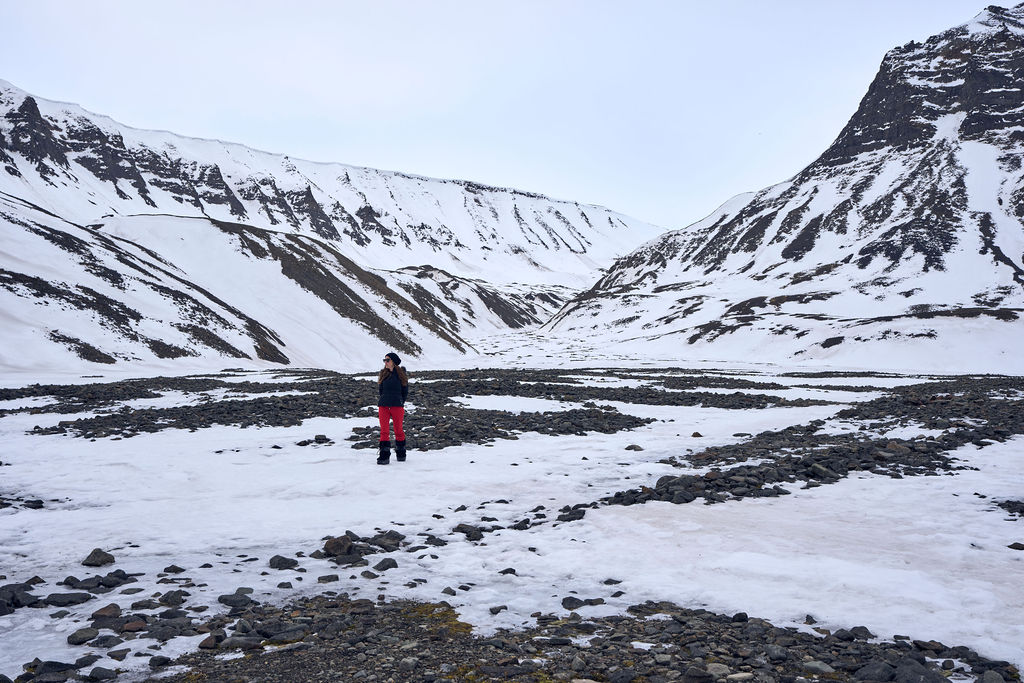
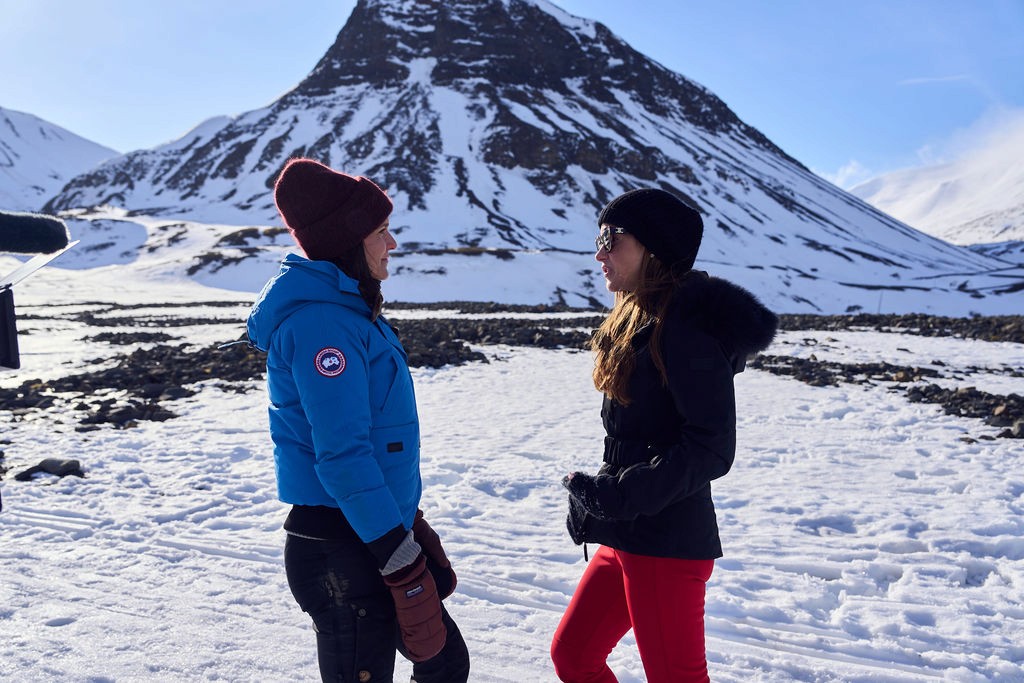
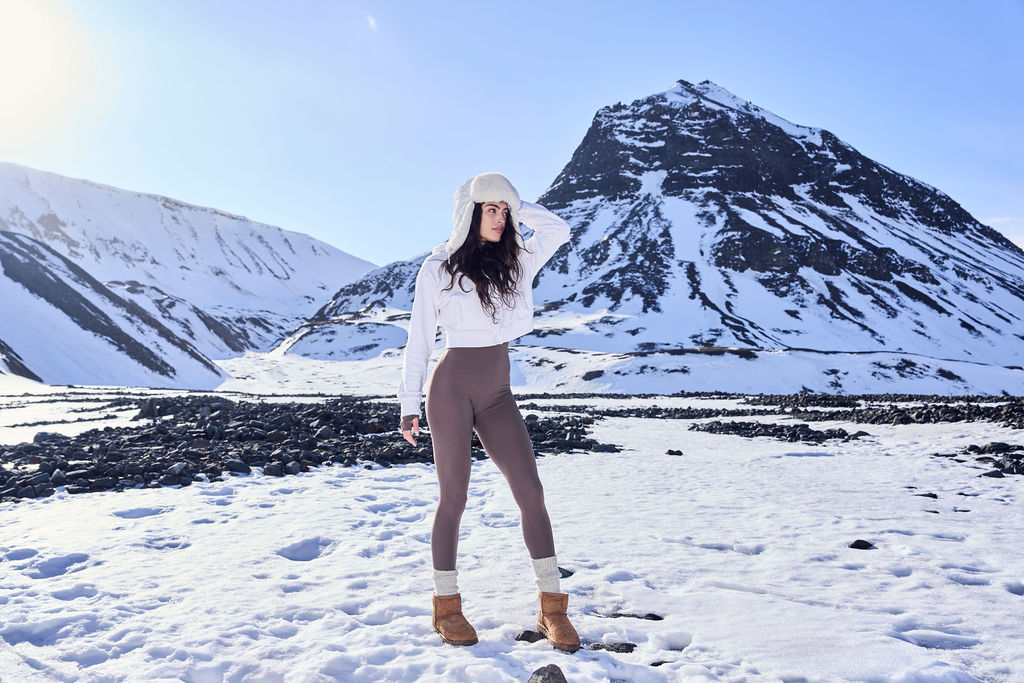
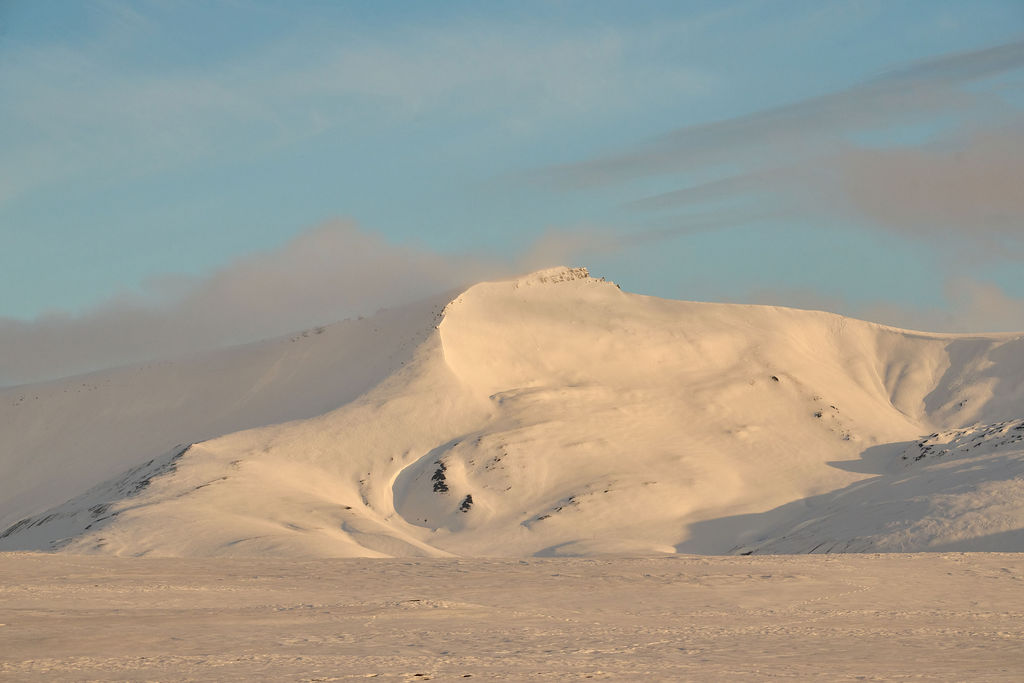
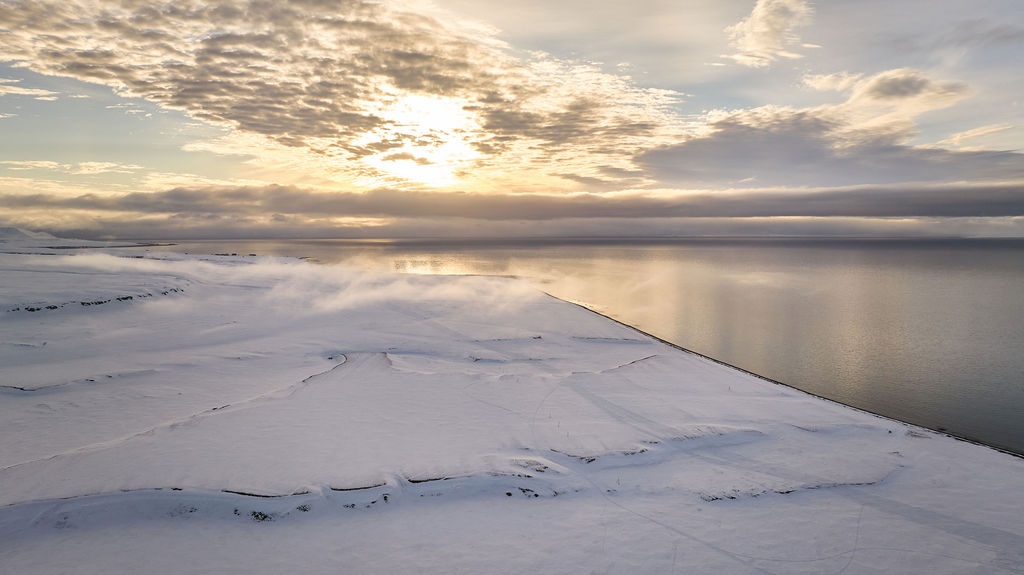
The Nader sisters are in Svalbard, Norway, one of the most northern places in the world, for the first-of-its-kind study into women’s health in extreme environments.


From the Field
Expected
Outcome
Findings will be presented at global scientific conferences and published in peer-reviewed journals.
Conference Presentations
Society for Research on Biological Rhythms (May 2026) and SLEEP Meeting (June 2026).
Peer-Reviewed Publication
Results submitted for publication in a leading scientific journal, contributing to the global body of research on women's health in extreme environments.
Space Science Impact
Findings will have direct implications for the feasibility of human reproduction and long-duration space travel, addressing a critical gap in space medicine.
Explore the
Arctic with us
Custom expeditions designed for research teams, institutions, and visionary partners.

© 2026 ArcticEx. All rights reserved