
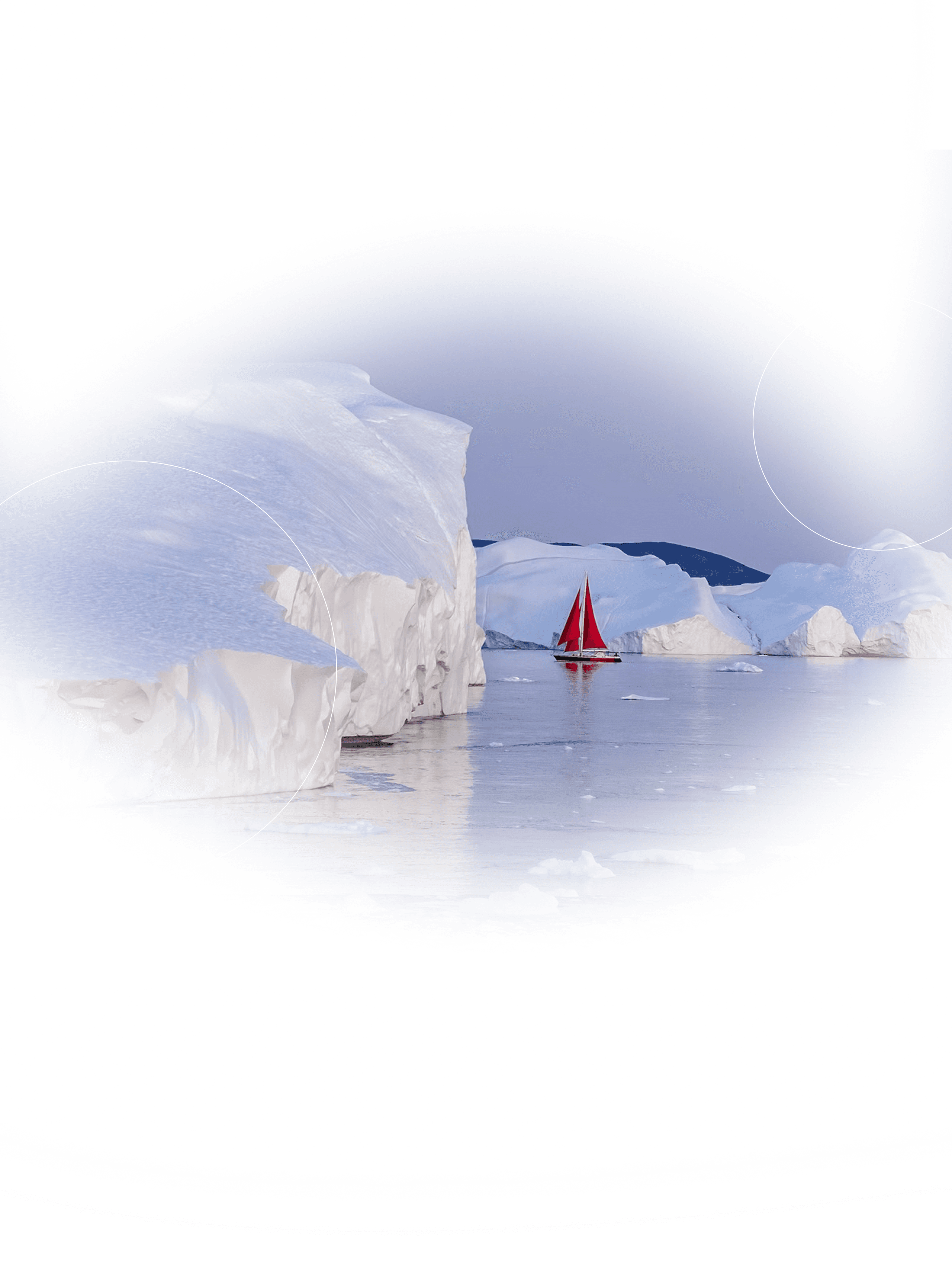
The first-ever study examining how extreme polar conditions affect women's reproductive, sleep, and circadian health. Conducted in partnership with the University of Arizona, NYU, the Space Prize Foundation, and Reve Travel Club.
Svalbard Expedition 2026
"How do women's bodies respond & adapt to the harshest environments on Earth, and beyond? "
Dr. Sairam Parthasarathy — Lead Researcher
The Research Gap
Despite growing interest in space and polar science, there have been almost no studies on how extreme environmental conditions affect women's reproductive and circadian health. Previous research has largely focused on men.
Evidence suggests women are more susceptible to sleep disruption and hormonal imbalances under extreme light-dark cycles. Yet this data gap persists, limiting our understanding of women's resilience in extreme environments and posing real challenges for the future of long-duration space travel.
Xtreme Research aims to close this gap by collecting comprehensive physiological data from women before, during, and after an Arctic expedition, tracking how their bodies regulate themselves under conditions that mirror those found in space.
Six key areas of investigation, tracking how extreme polar conditions affect women's bodies and minds across multiple systems.
01
Sleep Architecture
How 24-hour daylight and extreme cold affect sleep stages, sleep onset, duration, and quality. Measured through wearable sleep-monitoring devices and WHOOP bands.
02
Circadian Rhythm
Shifts in the body's internal clock when exposed to continuous light conditions. Tracked through salivary melatonin testing at multiple time points throughout the expedition.
03
Reproductive Hormones
Changes in menstrual cycle regularity, hormonal balance, and reproductive system function under extreme physical and environmental stress.
04
Stress Response
How isolation, physical exertion, and extreme conditions affect cortisol levels, heart rate variability, and overall stress markers.
05
Cognitive Function
The impact of disrupted sleep and extreme conditions on brain function, behavior, and decision-making, developed with NYU's expertise in neuroscience.
06
Physiological Recovery
How quickly women's bodies recalibrate after returning from extreme conditions, providing crucial data for understanding long-duration mission recovery.

1
Pre-Expedition
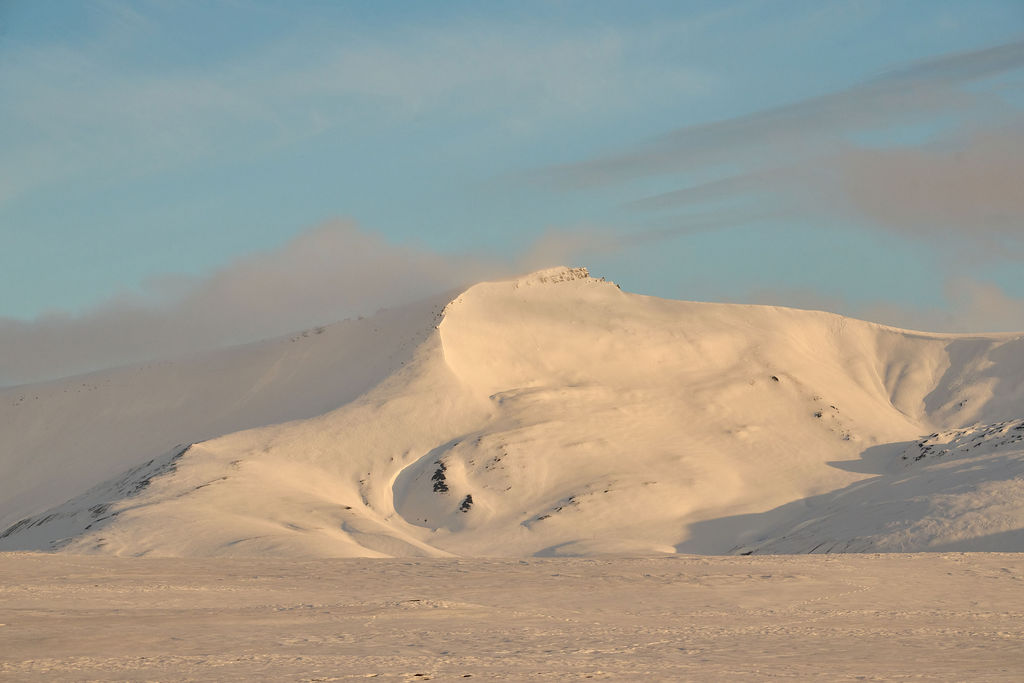
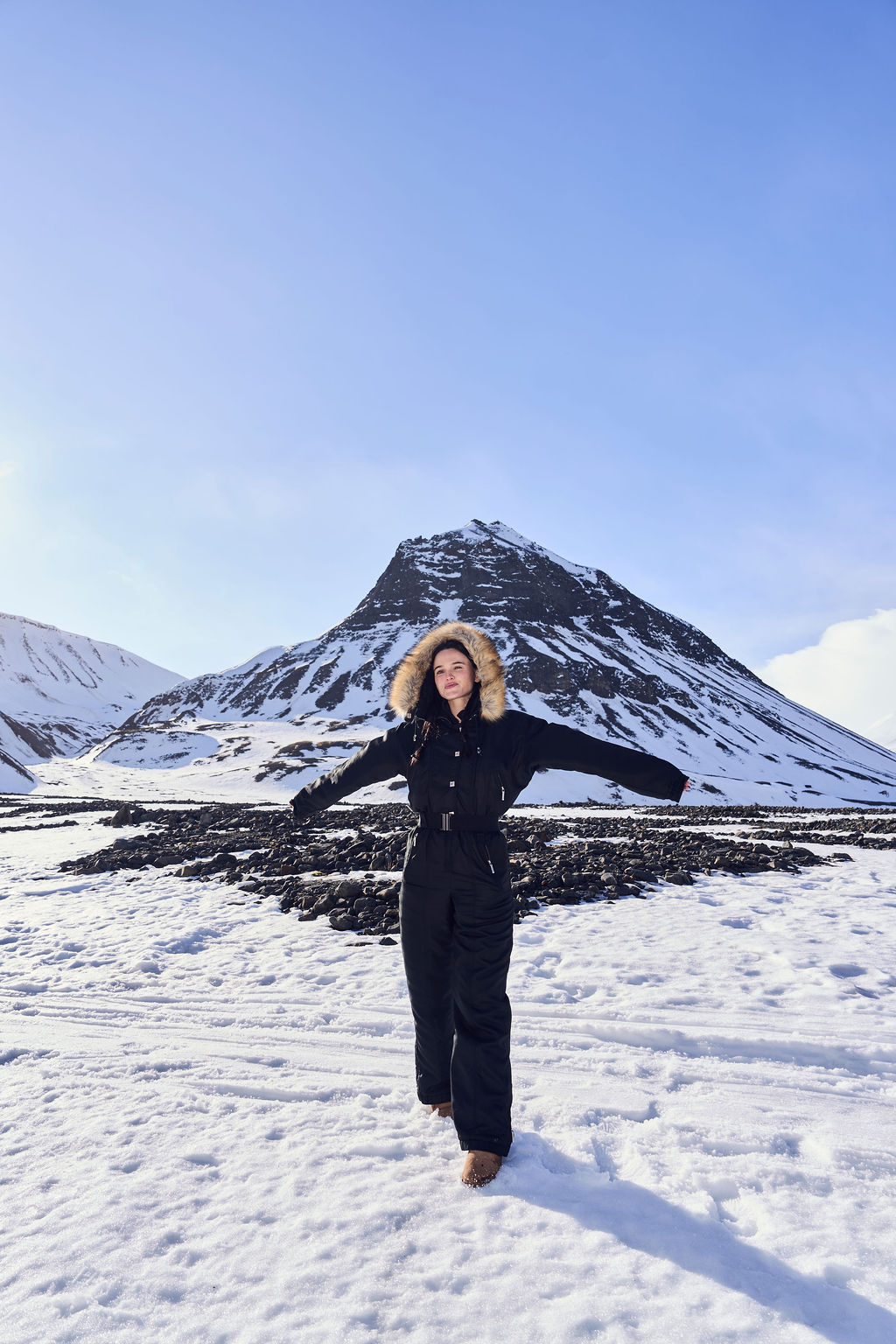
Conducted at the University of Arizona's sleep and circadian laboratory in Tucson, which simulates International Space Station conditions. Establishes each participant's baseline sleep, hormonal, and circadian profiles.
Tucson, Arizona
2
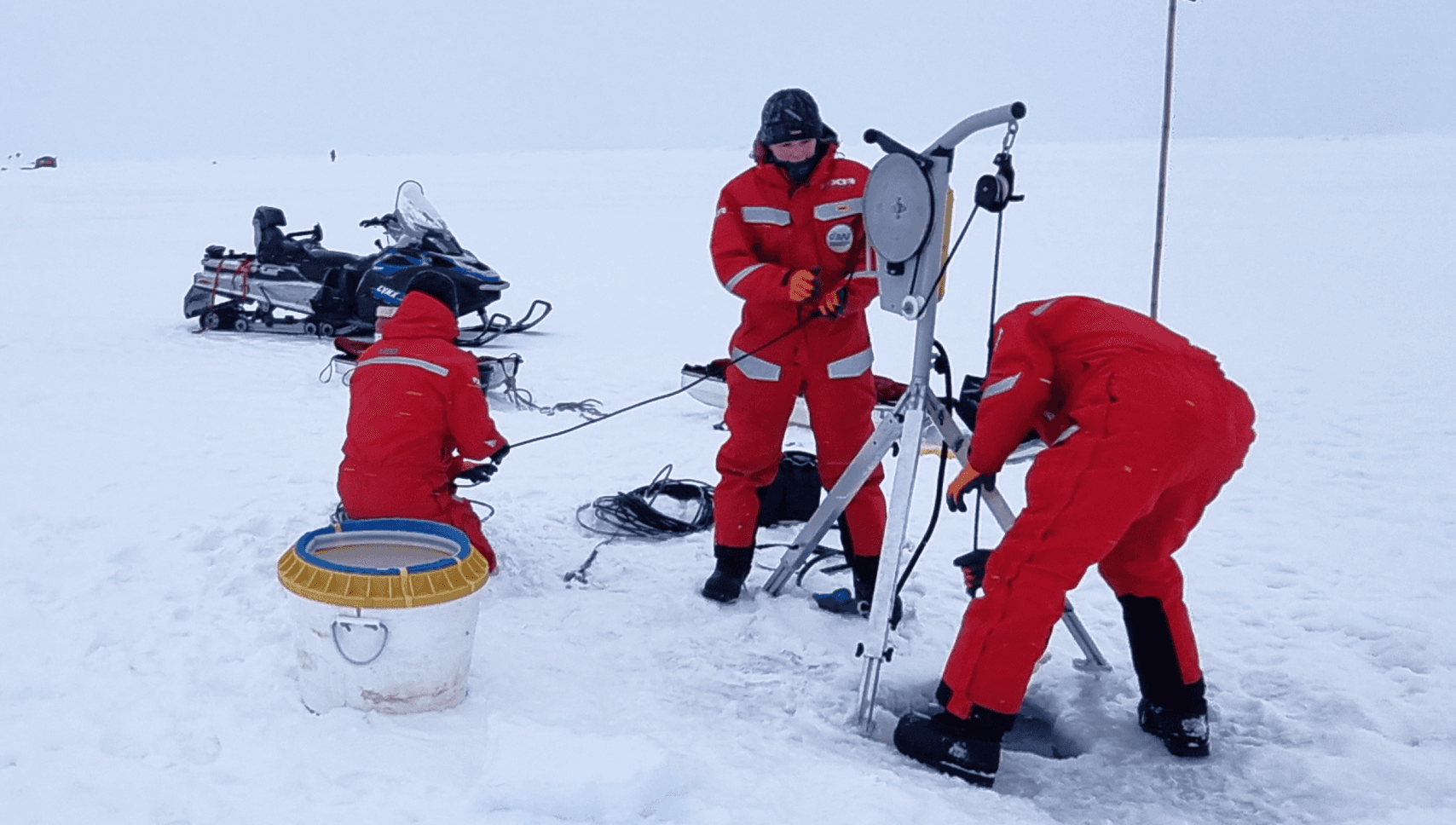
During Expedition
Daily monitoring in Svalbard using portable sleep-monitoring tools, WHOOP wearable devices, and salivary melatonin and hormone testing. Data collected under real expedition conditions: 24-hour daylight, sub-zero temperatures, high physical stress.
Svalbard, 78°N
3
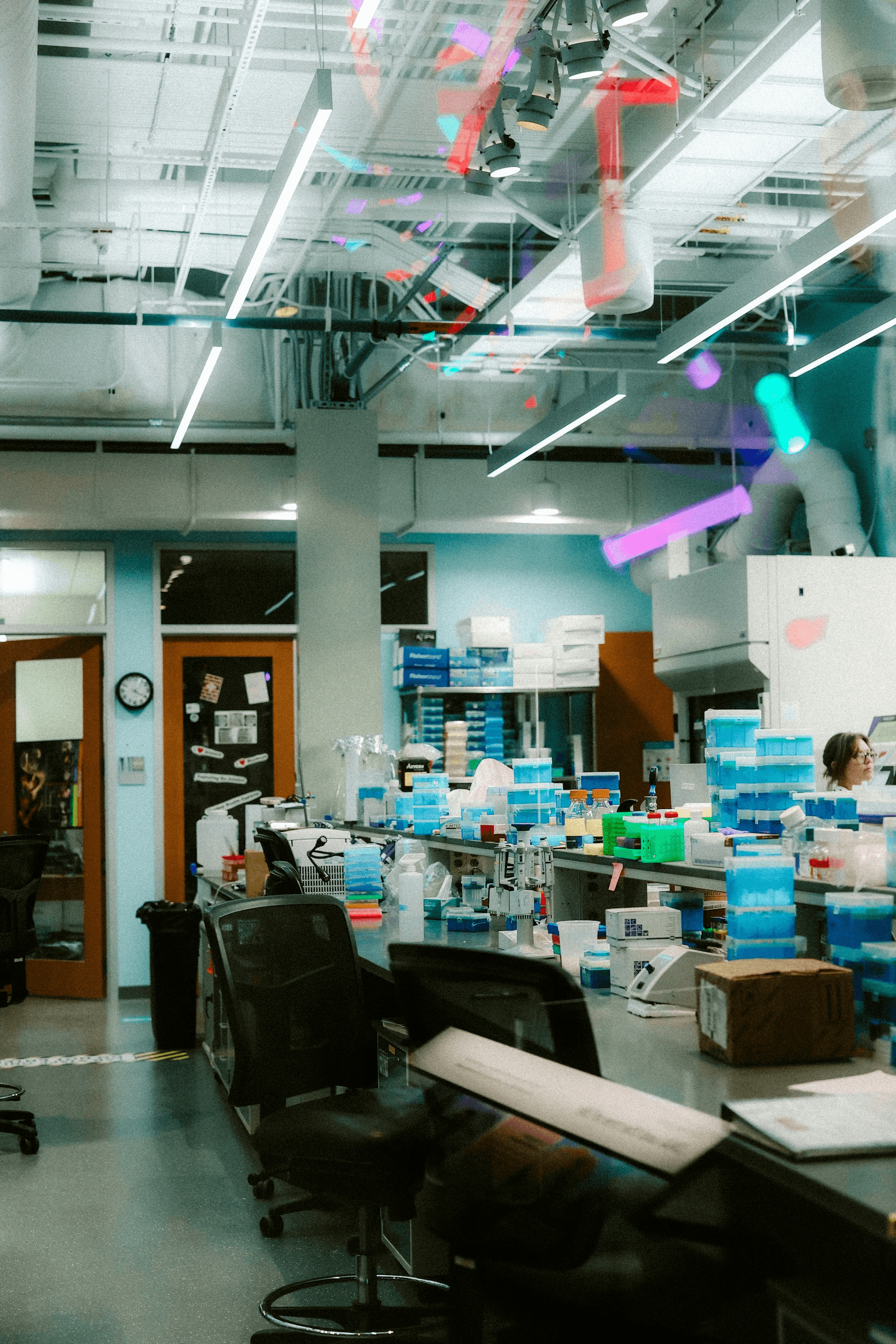
Post-Expedition
Analyzing recovery and physiological recalibration after returning from the Arctic. Measures how quickly the body restores normal sleep-wake cycles, hormonal balance, and circadian alignment.
Laboratory Setting
Tools & Methods
Research Technology
Advanced physiological monitoring combining wearable technology with laboratory-grade biosample analysis.
WHOOP Wearable Devices
Continuous heart rate, HRV, sleep staging, respiratory rate, and strain tracking throughout all three phases.
Salivary Hormone Testing
Melatonin and reproductive hormone levels measured through non-invasive saliva sampling at multiple daily time points.
Portable Sleep Monitoring
Field-grade polysomnography tools adapted for expedition use, tracking sleep architecture under extreme conditions.
Video & MRI Analysis
Developed by NYU to track how extreme conditions affect stress, behavior, and brain function.
Lead Researchers
A multidisciplinary team spanning sleep science, astrobiology, and neuroscience.

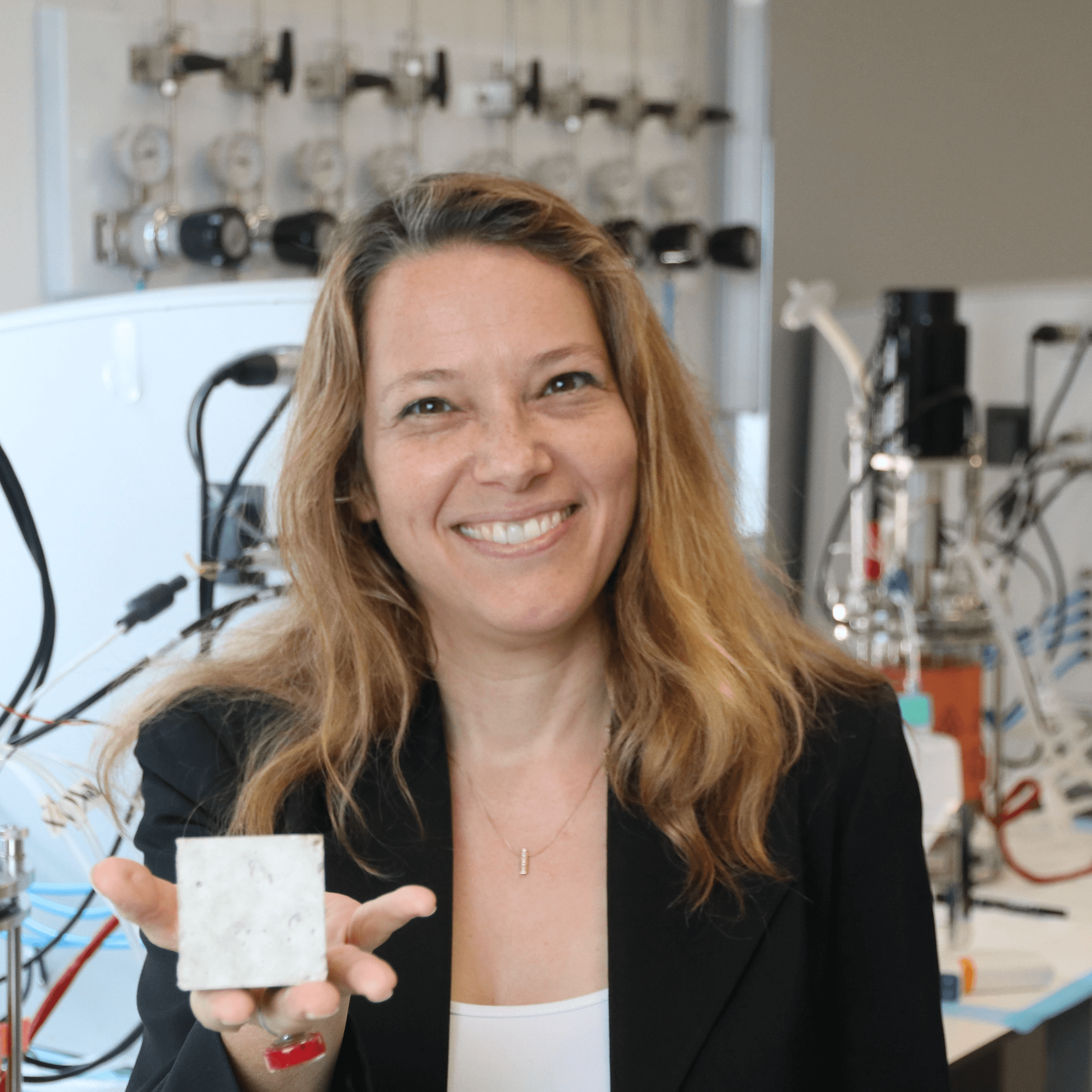
Dr. Sairam Parthasarathy
Lead Researcher
Director of the Center for Sleep, Circadian and Neuroscience Research. Leading the Xtreme Research study design, sleep and circadian data collection, and analysis.
University of Arizona
Dr. Reut Sorek-Abramovich
Science Director
Astrobiologist and analog astronaut. Leading field science operations, expedition research protocols, and cross-institutional coordination.
The Explorers Club
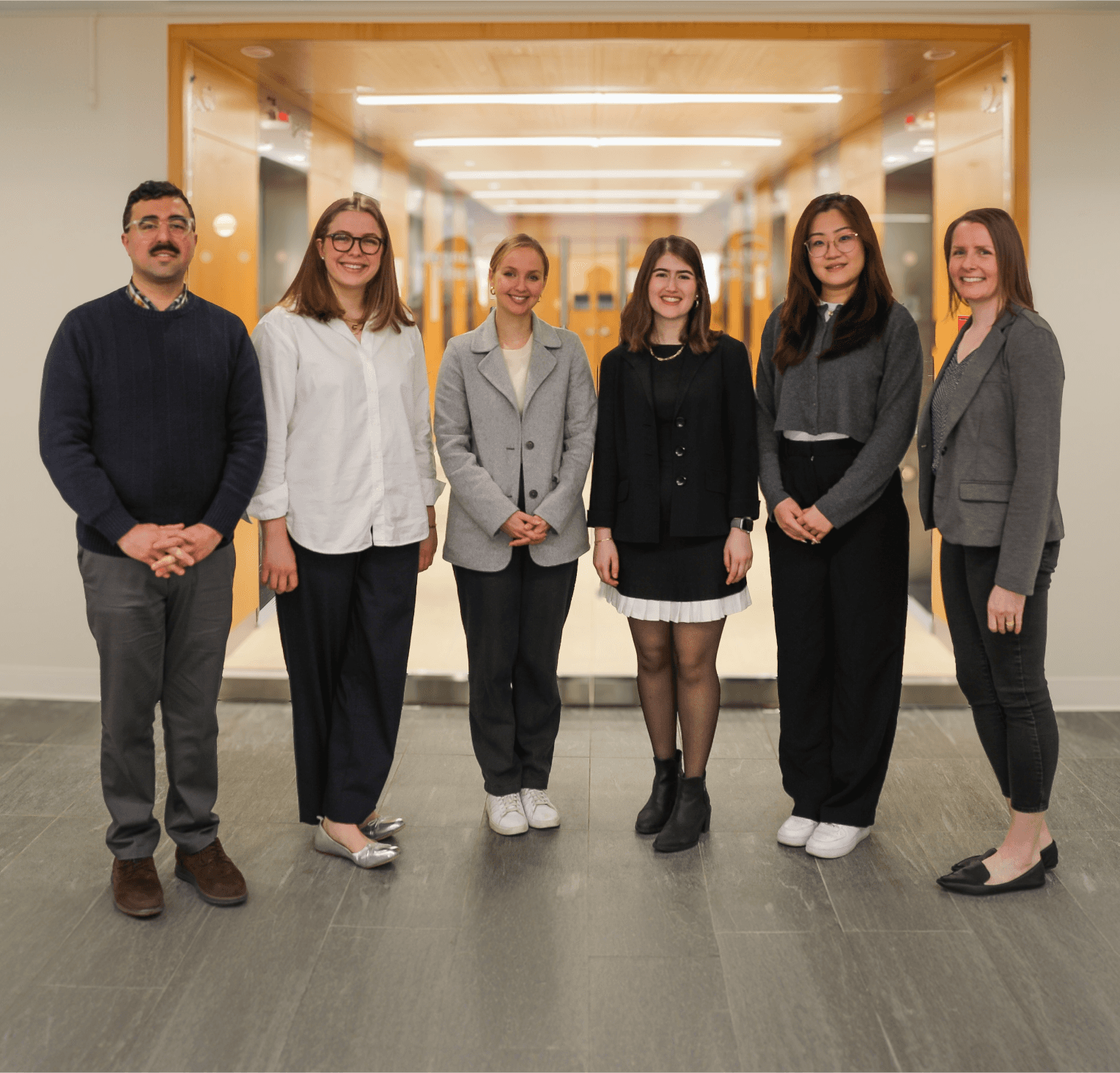
NYU Research Team
Neuroscience & Behavioral Science
Led by Dr. Moriah Thomason and Dr. Katharina Schultebraucks. Developing video and MRI tools to track stress, behavior, and brain function in extreme conditions.
New York University
Research & Expedition Partners


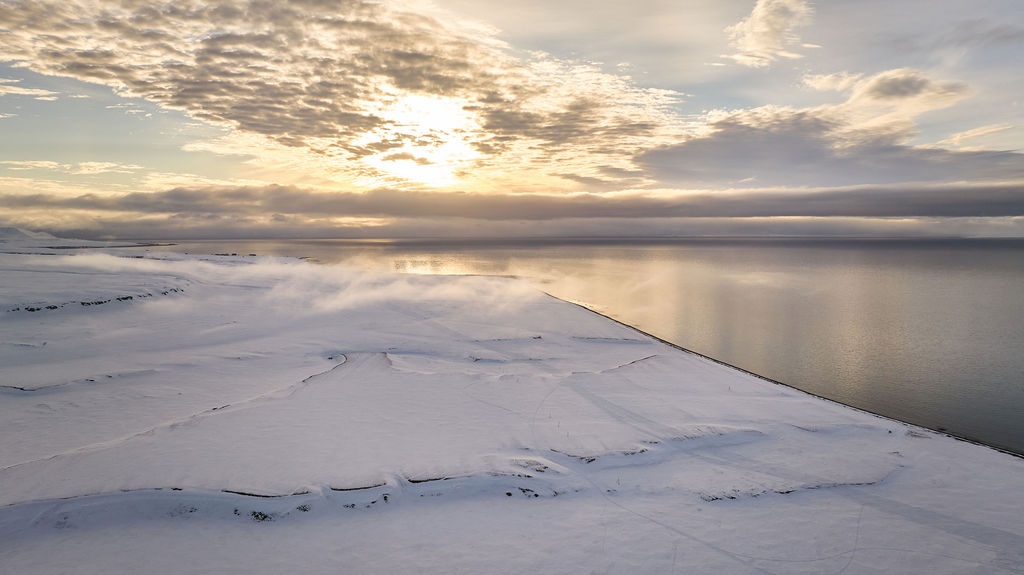
Explore the
Arctic with us
Custom expeditions designed for research teams, institutions, and visionary partners.

© 2026 ArcticEx. All rights reserved